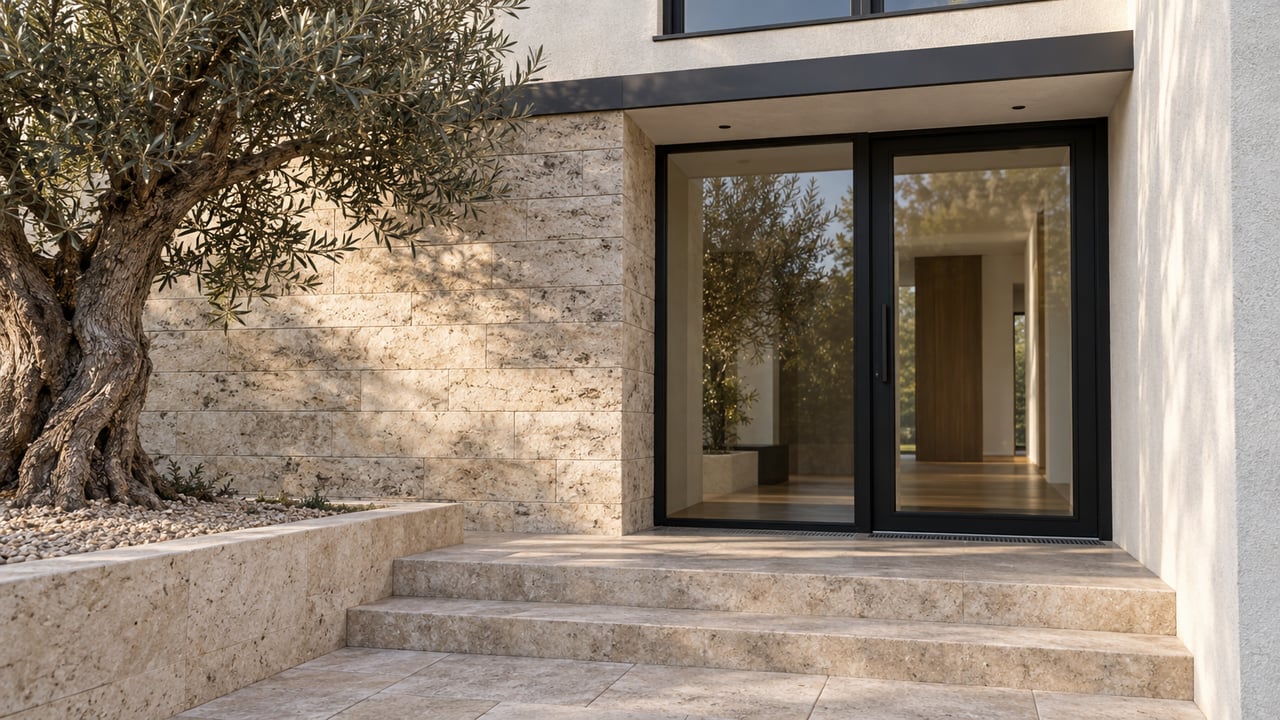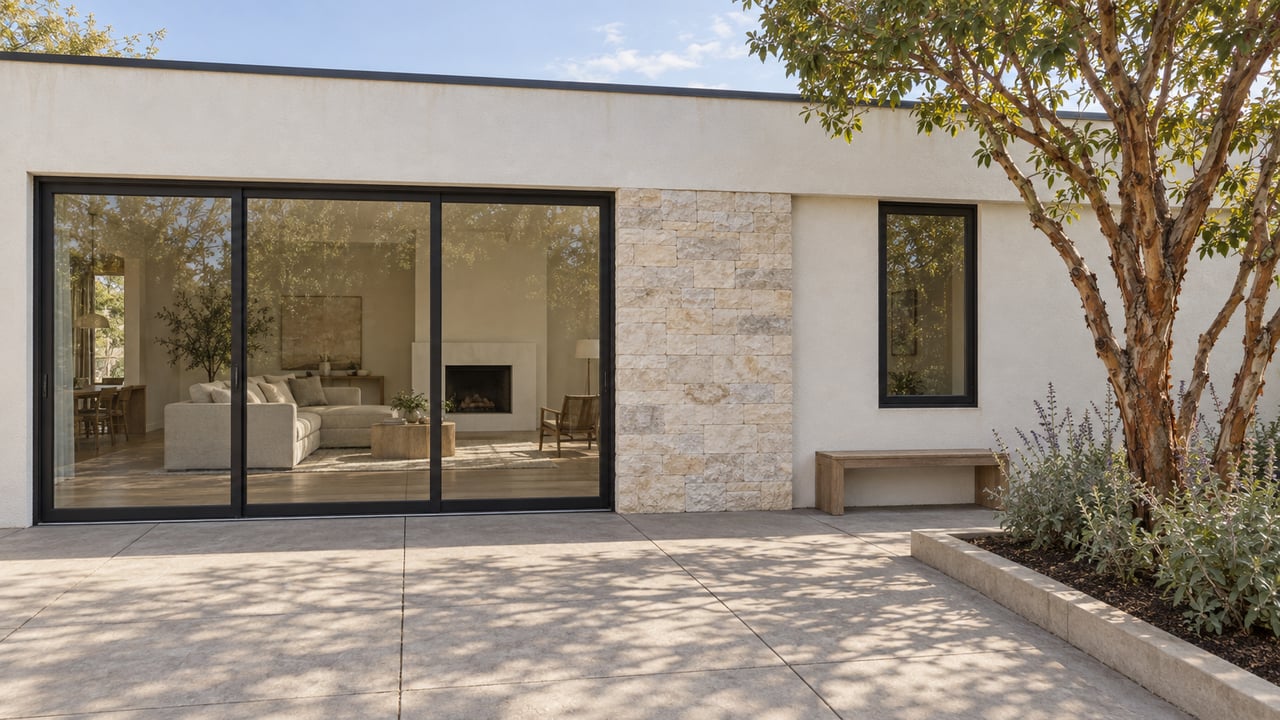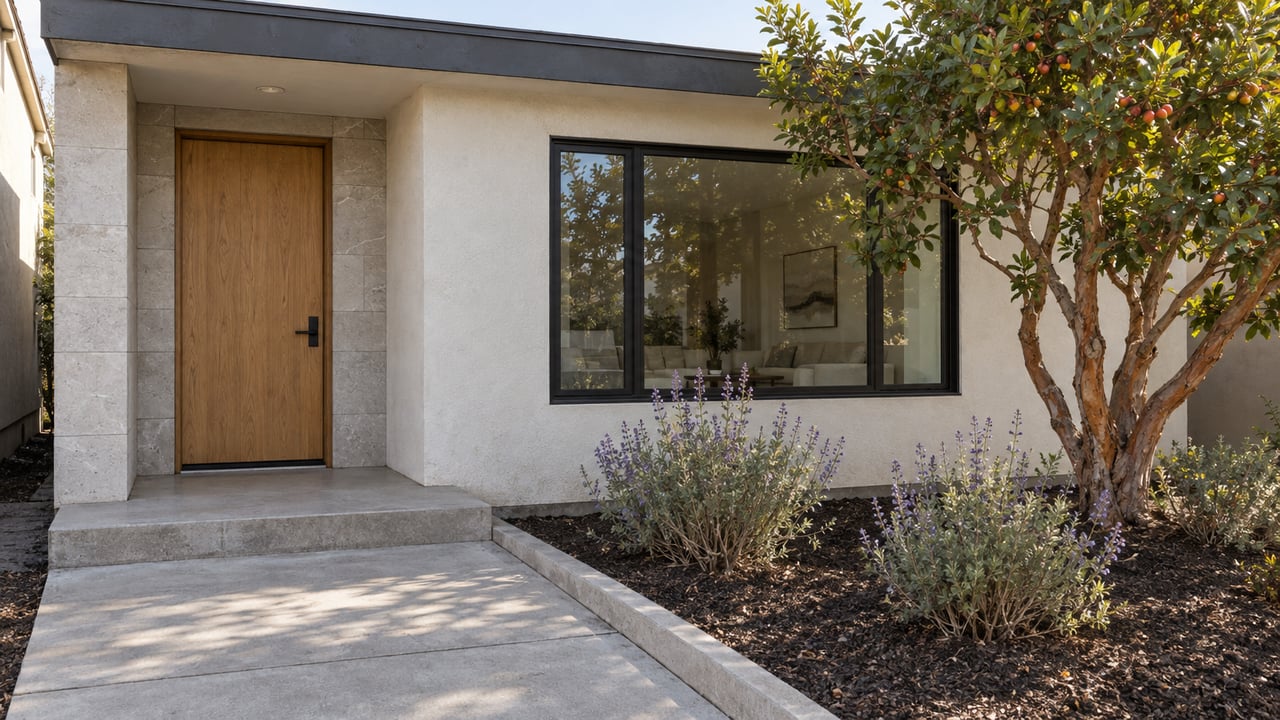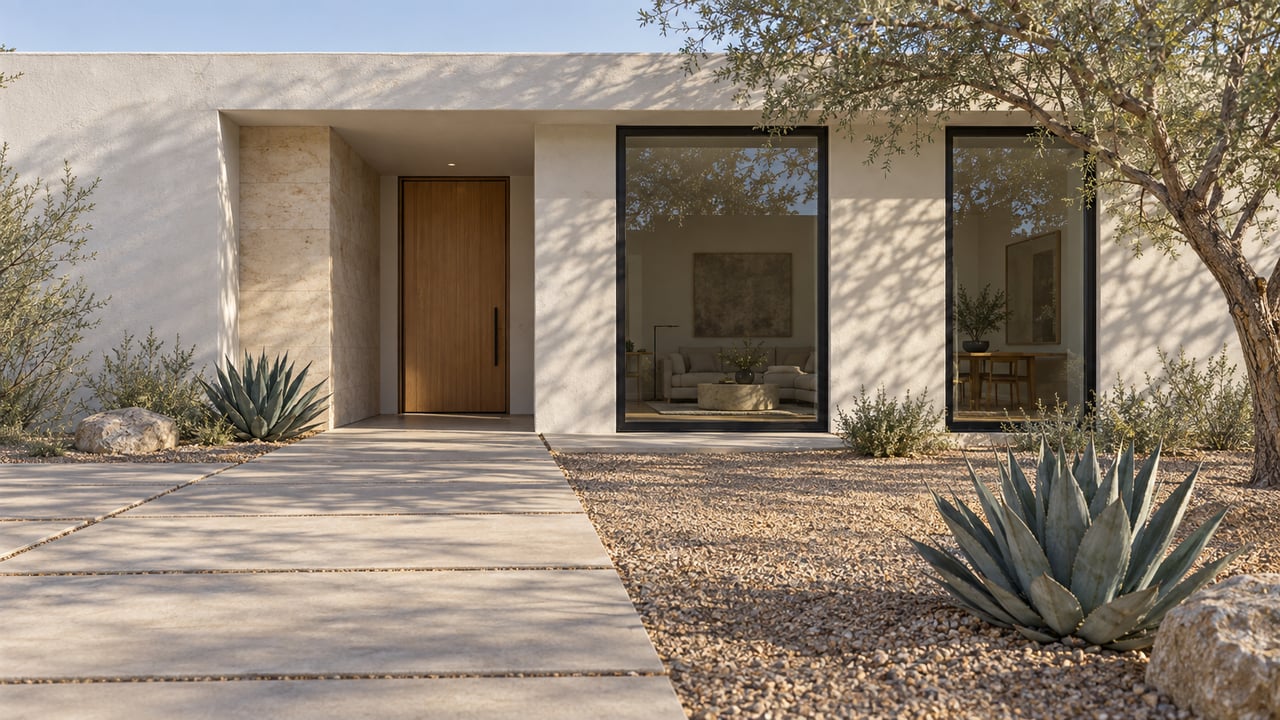
A fully approved Coastal Development Permit in Manhattan Beach can still be undone. Not by a lawsuit, not by a lender, but by a second agency that only gets involved after the city has already said yes. For anyone buying a teardown lot, planning a remodel, or listing a property with approved plans attached, that sequence matters more than the plans themselves.
Here is the part that catches people off guard. The rules Manhattan Beach is currently using to review these projects are not entirely settled either. The City Council has already adopted two sets of amendments to its own coastal rulebook in the past sixteen months, and as of today, neither one is fully in effect.
The Strand House That Almost Wasn't
The clearest illustration of how this plays out happened on The Strand itself. A property owner secured a local Coastal Development Permit from the City of Manhattan Beach to demolish a duplex and build a two-story home over a basement. The city signed off. Then a private individual, Hilliam Victor, filed an appeal directly with the California Coastal Commission, arguing the approved design exceeded the site's maximum buildable floor area by as much as 471.59 square feet under the certified Local Coastal Program. The Commission had to take up the question of whether that appeal raised a substantial issue before the project could move forward.
That case is decades old, but the mechanism behind it never changed. Any Strand property, and any lot close enough to the water to fall into the Commission's appeal jurisdiction, is still subject to the same two-step review today. A city approval on those lots is not the finish line. It is the start of a window during which someone else can still intervene.
Two Permits, Not One
Manhattan Beach requires a Coastal Development Permit for any project inside the city's Coastal Zone, unless the work qualifies for an exemption or exclusion. For most projects, the city reviews the application under its certified Local Coastal Program and issues the permit itself. That is where the process ends for the majority of inland lots.
It is not where the process ends for every lot. Under the Coastal Act, the Commission keeps appeal jurisdiction over development located between the sea and the first public road paralleling the sea, or within 300 feet of the beach or the mean high tide line, whichever reaches further inland. Once a local approval is issued on one of these appeal-eligible parcels, an appeal window opens. Filing must happen "by 5pm of the tenth working day of the appeal period," and it can be filed by the applicant, anyone who took part in the local hearing, or any two Coastal Commissioners acting on their own initiative. If the Commission finds the appeal raises a substantial issue, it is required to begin that hearing within 49 working days.
None of this requires anything to have gone wrong with the original city approval. It only requires the property to sit in the right location and someone, anyone, to use the window that location creates.
| Appeal-eligible lots (Strand, blocks nearest the water) | Standard coastal-zone lots (Tree Section, most inland Sand Section, East Manhattan) | |
|---|---|---|
| Who issues the CDP | City of Manhattan Beach | City of Manhattan Beach |
| Coastal Commission keeps appeal authority | Yes | Generally no |
| Local appeal window after city approval | 10 working days | Not applicable |
| Who can file an appeal | Applicant, local hearing participants, or two Commissioners | N/A |
The City's Own Rulebook Is Mid-Change
Layer a second complication on top of the first. Manhattan Beach's Local Coastal Program is itself being rewritten right now, and the rewrite is not finished from the state's perspective.
On April 1, 2025, the City Council adopted Ordinance No. 25-0004, amending Chapters A.12 (Residential Districts), A.16 (Commercial Districts), A.84 (Use Permits, Variances and Minor Exceptions), and A.94 (Affordable Housing Density Bonus and Incentive Program), and adding an entirely new Chapter A.74 covering Accessory Dwelling Units, all to implement the city's 6th Cycle Housing Element. On December 2, 2025, the Council followed with Ordinance No. 25-0013, amending outdoor dining and public right-of-way rules. Both ordinances are on the books at the city level. Neither one is finished, because both remain pending certification from the California Coastal Commission and are not yet effective.
That distinction matters for anyone doing diligence on ADU potential, density bonus eligibility, or use permit thresholds for a Manhattan Beach property right now. The city has already voted on the version of these rules it wants. The Commission has not yet signed off on that version. A buyer or seller planning a transaction around ADU rights or a density bonus incentive under the new chapters is planning around rules that could still shift before certification lands, and there is no fixed date by which that certification is guaranteed.
Proof the Friction Isn't Confined to the Water
Not every permitting complication in Manhattan Beach involves the Coastal Commission at all. On May 13, 2026, an application went before the city's Planning Commission requesting a variance to reduce the required front yard setback from 20 feet to 10 feet, to allow construction of a new two-story single-family residence with a basement and an attached three-car garage, totaling 3,134 square feet of buildable floor area, at 620 25th Street.
That address sits well inland, far from any appeal-zone exposure. It still required discretionary review before a shovel could go in the ground. The city's own Building and Safety division confirms that permits are required not just for new construction but for re-roofing, window retrofits, plumbing and electrical work, patio covers, and even most excavation. Rebuilding in Manhattan Beach means engaging with the city's review process regardless of which section of town the lot sits in. The Coastal Commission adds a second layer near the water. The city's own permit and variance process is the first layer everywhere.
For context on scale, the median Manhattan Beach home sale price reached roughly $3.7 million in the first quarter of 2026, according to PropertyShark's market data, up close to 10 percent year over year. On a purchase at that level, a permitting delay of even a few months carries real carrying cost, which is exactly why the sequence of approvals deserves attention before an offer goes in, not after.
What This Means If You're Buying, Selling, or Rebuilding
- Request a written jurisdiction determination before you write an offer. If the lot sits between the sea and the first public road, or close to the beach, ask the Commission's South Coast District Office in Long Beach whether the property falls inside appeal jurisdiction. This is a factual question with a factual answer, and it should not wait until after escrow opens.
- Ask whether an "approved" permit has actually cleared its appeal window. A CDP approval that is three weeks old on an appeal-eligible lot has not necessarily cleared the 10-working-day filing period. Confirm the date of the Final Local Action Notice before treating the approval as settled.
- Check whether your plans lean on Ordinance 25-0004 or 25-0013. If an ADU, a density bonus incentive, or a use permit pathway in your plans depends on either amendment, confirm current certification status with the city's Planning Division rather than assuming the April 2025 or December 2025 vote is already the final word.
- Sellers need the residential building record before signing anything. The Municipal Code requires the seller or their representative to obtain a city report of the residential building record, covering authorized use, occupancy, and zoning classification, before entering into any sale agreement. This is worth requesting early, since it can also surface unpermitted work that affects how a rebuild-intent buyer approaches the lot.
- Build the appeal window and certification uncertainty into your timeline, not around it. A purchase contract or listing strategy that assumes a straight line from city approval to permit in hand skips the step where a second party still has standing to weigh in.
A Few Questions Worth Asking Before You Tour
How do I find out if a specific lot is inside the Coastal Commission's appeal jurisdiction? Contact the Commission's South Coast District Office directly with the parcel's location relative to the first public road and the beach. The determination is factual and typically comes back within a defined review period rather than requiring a hearing.
Does the new ADU chapter apply to my property today? Chapter A.74 was adopted by the City Council in April 2025, but it remains pending Coastal Commission certification and is not yet effective. Confirm current status with the Planning Division before relying on it in a transaction timeline.
Is a full rebuild reviewed the same way as a remodel or addition? Both typically require a Coastal Development Permit inside the Coastal Zone. The city's Building and Safety division also requires permits for a wide range of smaller projects, from re-roofing to patio covers, so the scope of review scales with the work rather than applying only to ground-up construction.
Manhattan Beach rewards patience and precision more than speed. If you're weighing a rebuild, a remodel, or a sale where approved plans are part of the pitch, the sequence of who has said yes, and who still can weigh in, deserves the same scrutiny as the price. Tim Meza works through that sequence with clients before an offer goes in, not after. Schedule a Consultation to talk through your specific lot and where it falls in Manhattan Beach's two-layer approval process.