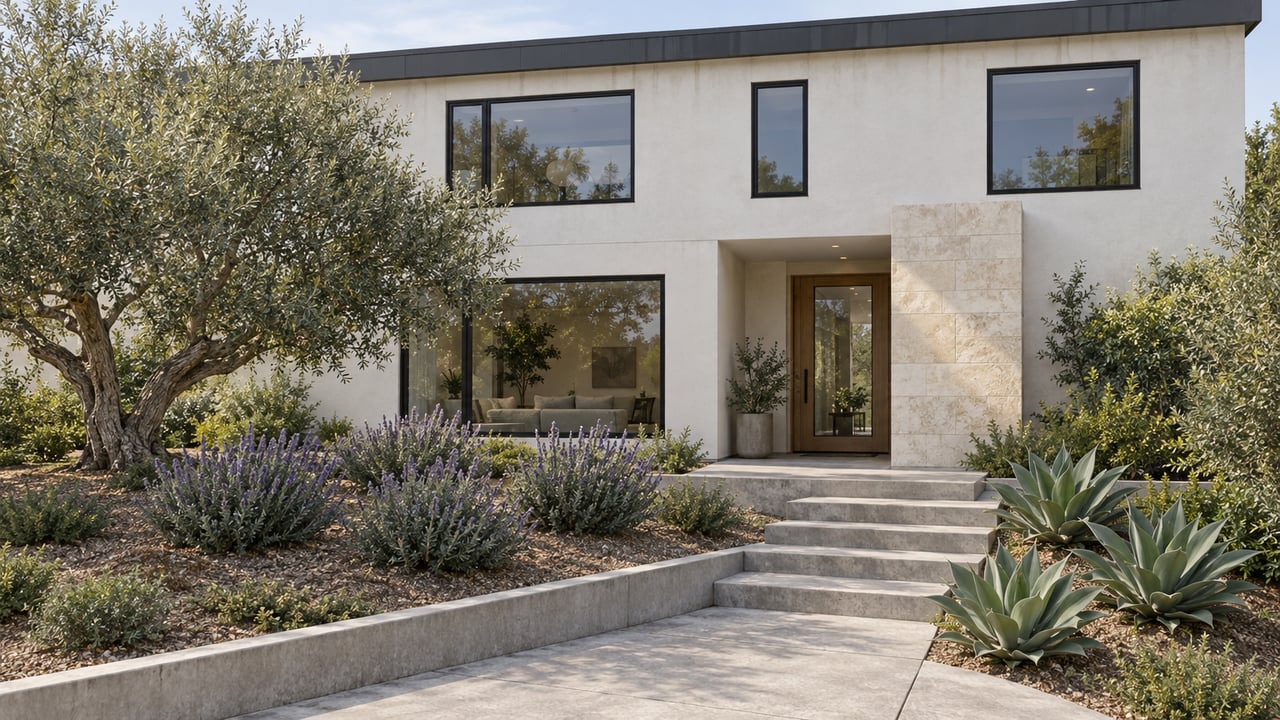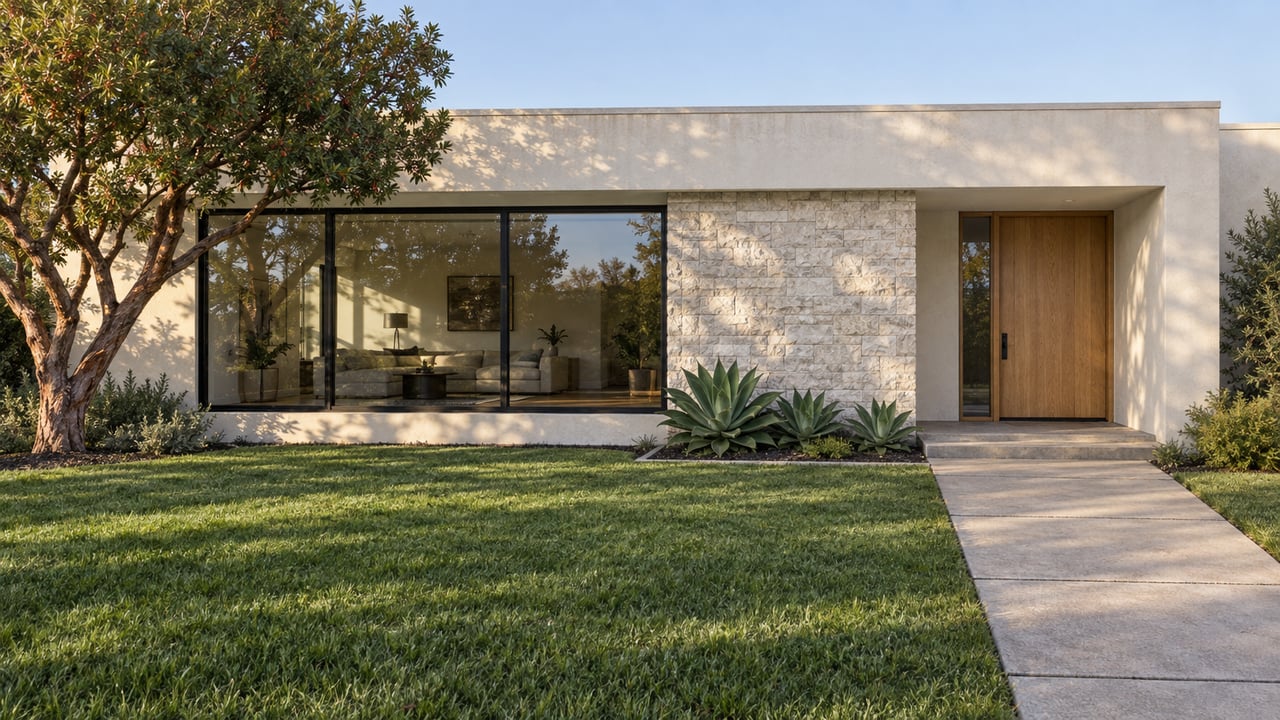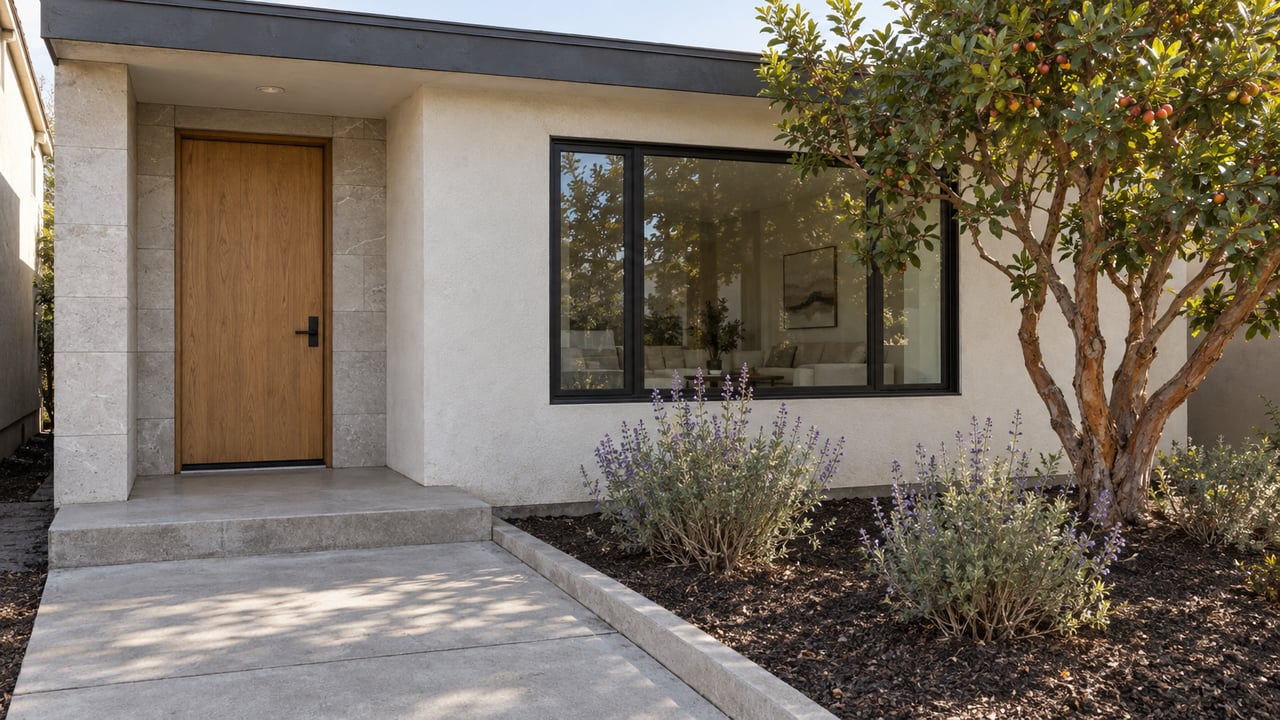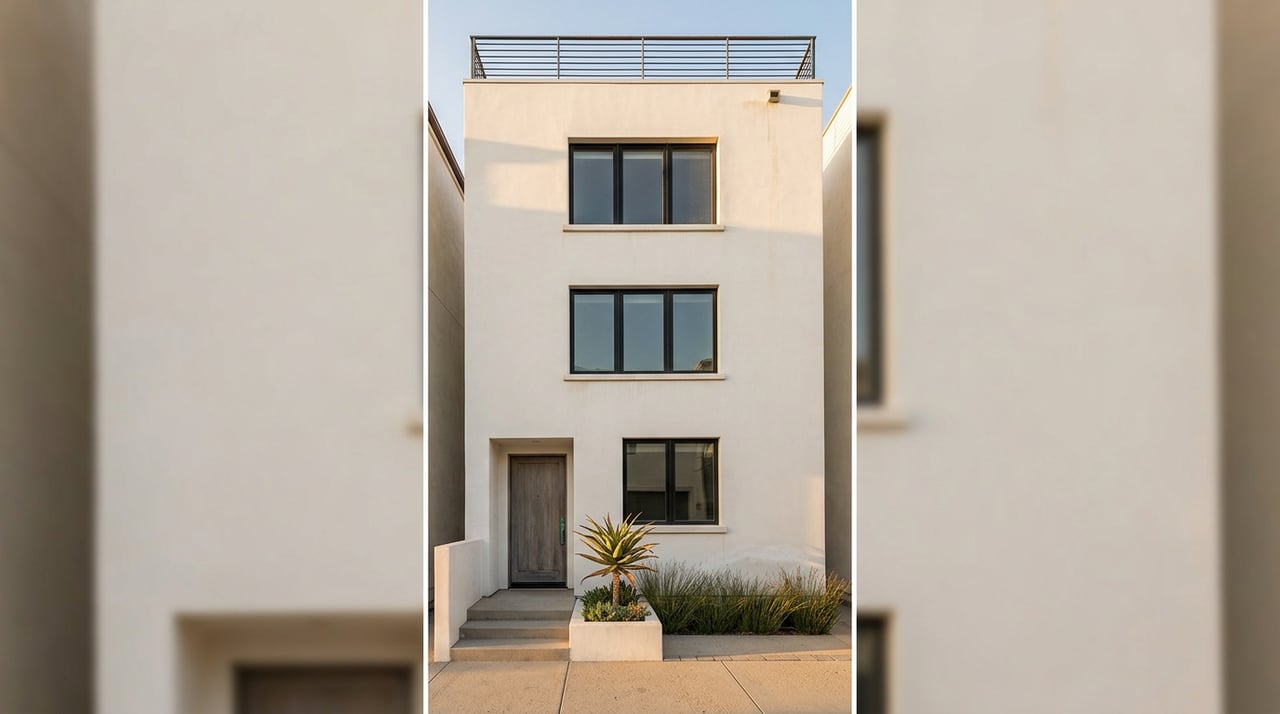
As Easy Reader News reported, a four-bedroom house on Oak Street went up for sale in January 2026 with an asking price of $2.199 million. It was dated. It needed work. Within days it had drawn 18 offers, and the sellers were fielding best-and-final counters from eight of them before it closed in escrow well above $2.5 million. Buyers told the listing agent they were fine living with the house as it was and would renovate later. The report quoted one local broker, reflecting on the run of similar bidding wars that opened the year: "Professional realtors do not intentionally underprice by 10%."
That story is useful for a reason that has nothing to do with bidding-war drama. It is a signal that whatever number shows up as Manhattan Beach's median price on a portal search, it is not the number that governed what happened on Oak Street. The city's median price is an average of three sub-markets that behave nothing alike, and treating them as one market is how buyers misjudge a comp and sellers misprice a listing.
One Median, Three Markets
Manhattan Beach's citywide numbers alone tell a story of a market running hot. From January through April 2026, the city recorded $491.2 million in closed sales, a 7.5 percent increase over the same period the year before, with the median sale price for that window reaching $3.8 million, nearly $500,000 higher than a year earlier. Twenty-four properties closed at $6 million or more in those four months, matching the combined total from the same period in 2024 and 2025.
Those are real numbers, and they are also close to meaningless if you are trying to figure out what a specific house in a specific part of town is worth. Manhattan Beach covers a little over three square miles. Inside that footprint, local agents and residents talk about the city in three named sections, Sand, Tree, and Hill, and each one carries its own pricing logic, its own buyer pool, and its own building rules. Blending them into a single median is a bit like averaging the price of a studio condo and a five-bedroom house and calling the result a housing market.
What a Dollar Buys, Section by Section
Recent listing and closed-sale data across the three sections puts the price-per-square-foot spread in sharp relief.
| Section | Typical price per sq ft (2026) | Typical lot size | Height / story limit |
|---|---|---|---|
| Sand Section | Roughly $1,565 to $2,320 | Compact, often under 3,000 sq ft | White Sands Design Build reports a limit of up to 30 feet and three stories in most of the beach area. |
| Tree Section | Roughly $1,480 to $1,920 | Larger, commonly 4,600 to 5,600 sq ft | 26 feet, two stories |
| Hill Section | Trails Sand on a per-square-foot basis despite the highest total sale prices | Largest lots in the city | 26 feet, two stories |
The Sand Section commands the top of that range because of proximity to the Strand and downtown, and because its lots are the smallest and scarcest in the city. The Tree Section trades at a lower per-square-foot number but sits on meaningfully larger parcels, which is why total sale prices there narrow the gap with Sand even though the rate per square foot does not. The Hill Section is the outlier: its per-square-foot pricing often comes in below Sand's peak, yet it produces the city's highest total transaction values because its lots are the biggest Manhattan Beach allows. A buyer comparing three listings purely on price per square foot, without adjusting for section, will consistently misjudge which one is actually the better value.
The Regulation Behind the Premium
Part of what locks these three markets into different pricing bands is not lifestyle preference. It is the city's own building code. Manhattan Beach's bulk and volume standards, first adopted in 2002 and revised repeatedly since through what the city calls its mansionization amendments, set different maximum building envelopes by section. That framework is public and available through the City of Manhattan Beach's planning department, and it explains a pattern local agents see constantly: Sand Section properties are generally allowed more height and an extra story than homes in Tree or Hill, while the Hill Section carries the most generous lot-size ceiling of the three. That regulatory ceiling, not just beach proximity, is a real part of why a Hill Section lot with a dated 1970s ranch and a 2022 custom rebuild two blocks apart can carry wildly different values even inside the same zoning envelope. Buyers who assume the price gap between an original home and a rebuild is purely cosmetic are usually underestimating how much of that gap is really about what the lot is legally allowed to become.
The Cash Buyers Are in the Wrong Section
If you assumed all-cash buyers cluster in the priciest oceanfront pocket of a city like this, the data from early 2026 says otherwise. Citywide, the share of all-cash transactions fell to 36 percent in the first four months of 2026, down from close to 50 percent in each of the prior two years. But broken out by section, the Tree Section, not Sand, had the highest concentration of cash deals: 48 percent of its sales closed without financing.
That inversion matters for anyone reading the market from the outside. It suggests the buyer pool paying cash in Manhattan Beach that spring was not primarily chasing trophy oceanfront property. It looks more like established local families and repeat buyers who already have equity, gravitating toward the section built for long-term residence rather than the section built for beach proximity. A seller in Tree Section positioning a listing as a competitive bid situation should expect a buyer pool with fewer financing contingencies to negotiate around, which changes both pricing strategy and how quickly an accepted offer is likely to actually close.
The Walk-Street Catch
Sand Section listings often lean hard on their walk-street address, and for good reason. Homes fronting Manhattan Beach's pedestrian-only walk streets can command a meaningful premium over comparable non-walk-street properties nearby. What does not always make it into the listing photos is a city rule that comes with that frontage: the strip of land between a walk-street home and the pedestrian path is technically public right-of-way, and the city's view ordinance caps landscaping and fencing height there at roughly waist level, well under what most buyers assume they can install for privacy. Buyers drawn to walk streets for their charm sometimes discover after closing that the fence they pictured along that front strip is not something the city will permit. It is a small detail, but it is exactly the kind of thing that surfaces during a transaction rather than during a casual open house walkthrough, and it is worth confirming before writing an offer, not after.
What This Means If You're Comparing Sections
None of this means one section is better than another. It means the comparison only works if you hold the right variables constant.
- Compare price per square foot within a section, not across the city median
- Confirm whether a listing's story and height allowance matches what you actually want to build or rebuild
- Ask how a section's typical financing mix, cash-heavy or mortgage-heavy, might affect how competitive your own offer needs to be
- If a home fronts a walk street, verify what the city's encroachment and view-ordinance rules actually allow before assuming standard privacy landscaping applies
A citywide median is a useful headline. It is a poor tool for deciding what a specific address is worth.
A Few Questions Before You Compare Sections
Does a lower price per square foot in the Tree Section mean it's a worse investment than Sand? Not necessarily. Tree Section lots run larger, the section drew the highest share of cash buyers of any part of the city in early 2026, and total transaction values there have been narrowing the gap with Sand even as the per-square-foot rate stays lower.
How much house can I actually build if I buy a fixer in the Hill Section? Height and story limits are the same as Tree Section, 26 feet and two stories under current rules, but the city's bulk and volume standards allow a larger maximum lot size in the Hill Section than in Tree or the Beach Area. A bigger lot under the same height cap generally means more usable floor area. Confirm the specific allowance for a given parcel with the city's planning department before assuming a rebuild will match a neighboring custom home.
Is a walk-street home in the Sand Section a good fit if privacy matters to me? It can be, but understand the tradeoff first. The public right-of-way in front of these homes is subject to a view ordinance limiting fencing and landscaping height, which changes what kind of privacy buffer you can actually install compared with a standard street-facing lot.
If you are weighing a move within Manhattan Beach, or trying to figure out which section actually fits how you want to live and what you want a purchase to do for you long term, that is exactly the kind of block-by-block judgment call Tim Meza works through with South Bay buyers and sellers every week. Schedule a consultation and bring the listings you're comparing. The right comp is rarely the one the portal picked for you.
This article is general information, not legal, tax or financial advice. Consult a qualified professional about your situation.