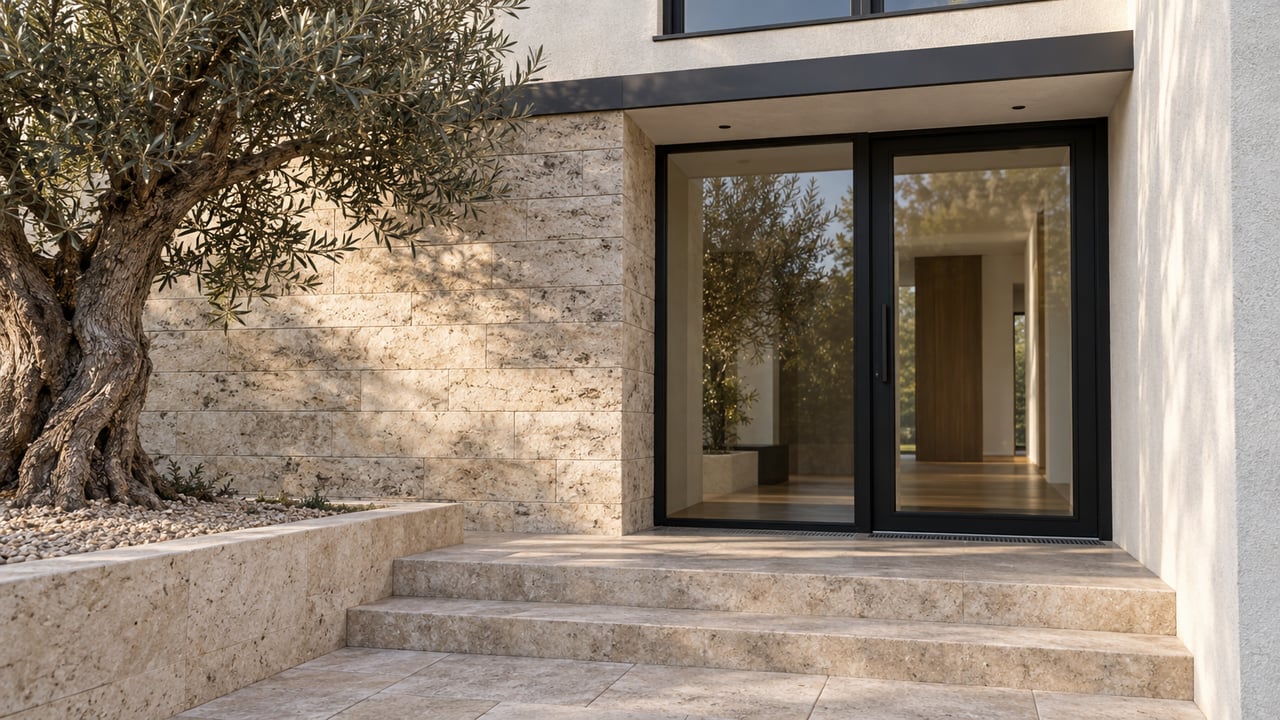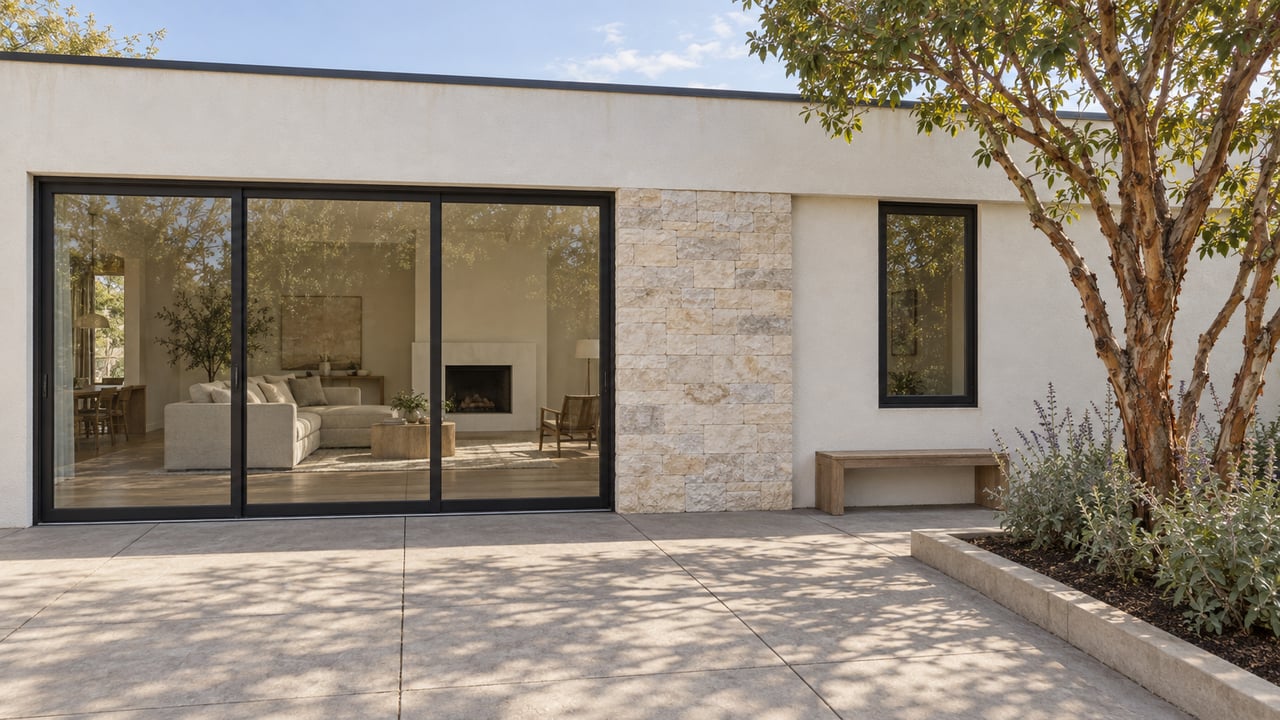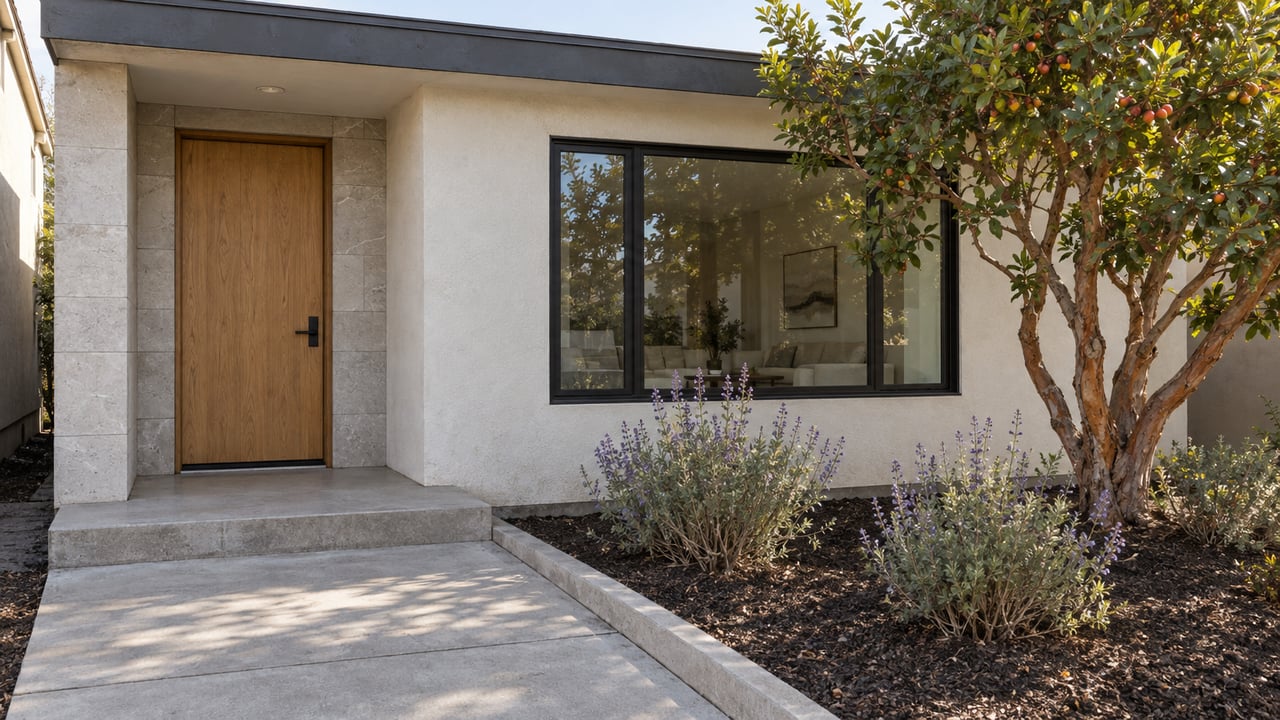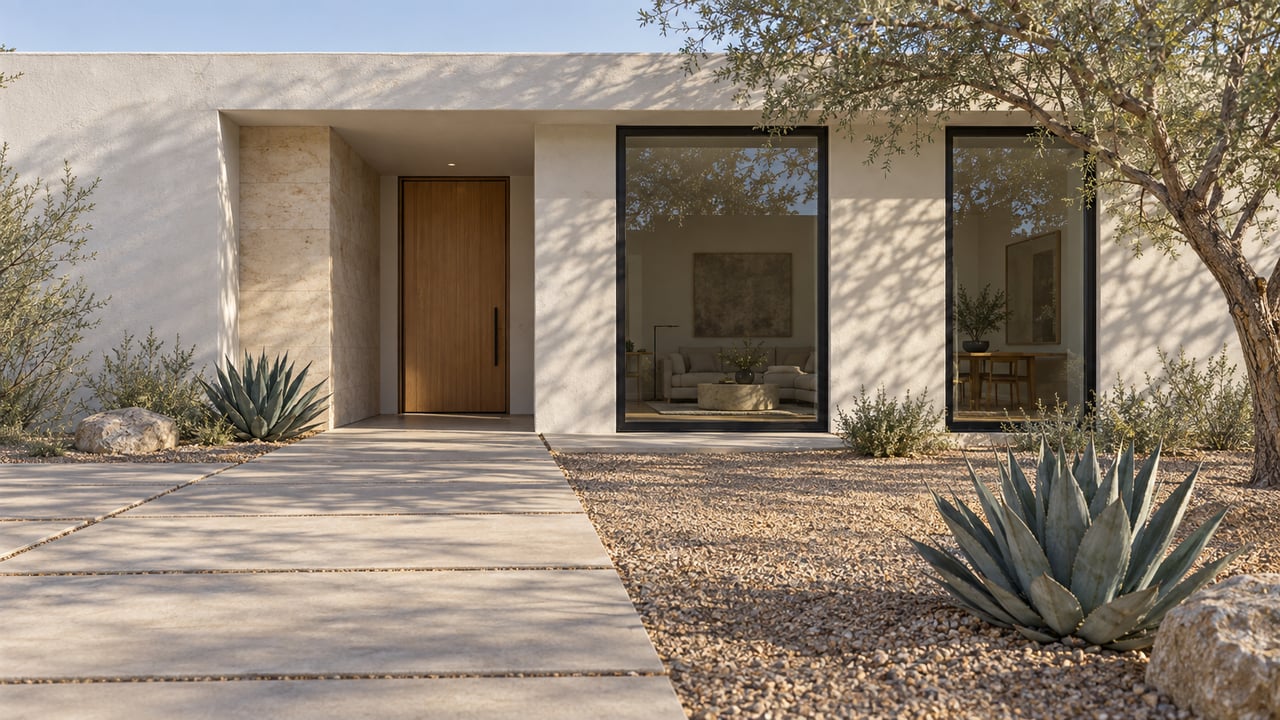
A homeowner in Palos Verdes Estates recently found himself facing more than $10,000 in penalties for items installed on his property before he ever owned it. He bought the house two years earlier. He didn't build the patio, change the windows, or add whatever triggered the fine. None of that mattered. The violation belonged to the address, not the person who caused it, and when it surfaced, it became his to resolve.
That case, reported by ABC7 in March 2026, is not an outlier. It's the predictable result of how Palos Verdes Estates has governed exterior changes for more than a century, through a private body that most buyers from outside the Peninsula have never heard of and that a standard city permit search will not show you.
Two Reviews, Two Filing Cabinets
Every California city has a planning department. Palos Verdes Estates has one too, and it handles what you'd expect: zoning, setbacks, grading, building safety. What it does not have is the authority to dictate what a house looks like. That authority sits somewhere else entirely, with the Palos Verdes Homes Association and its six-member Art Jury, a design review board established in 1923, sixteen years before the city itself was incorporated in 1939.
The Art Jury's power doesn't come from a city ordinance. It comes from deed restrictions recorded against the land when the Palos Verdes Project was first laid out, restrictions that the founding architects, including Myron Hunt, designer of the Malaga Cove Library, used to shape the Spanish, Mediterranean, and California styles that still define the hill. Because those restrictions are attached to the property rather than to whoever happens to own it, they apply automatically to every subsequent buyer. No signature required. No opt-out available. The Homes Association's jurisdiction covers roughly 5,500 properties across Palos Verdes Estates, ZIP 90274, and the Miraleste neighborhood inside the city limits of Rancho Palos Verdes, a detail that surprises plenty of Miraleste buyers who assumed they were simply in RPV.
Here's the difference in practice:
| City of Palos Verdes Estates | Palos Verdes Homes Association / Art Jury | |
|---|---|---|
| Legal basis | Municipal zoning and building code | Deed restrictions recorded in 1923 |
| What it reviews | Structural safety, setbacks, grading, drainage | Exterior appearance: color, materials, rooflines, landscaping visible from the street |
| Office | City Hall, Planning & Building | 320 Palos Verdes Drive West |
| Meeting cadence | Standard plan check queue | Biweekly for minor items, biweekly full jury for major projects |
| What happens if you skip it | Stop-work order, red-tagged permit | Fines, liens, and a non-compliance record that transfers to the next owner |
A buyer who checks only the city's permit history is checking half the record.
Why the File Doesn't Reset When the House Sells
The Homes Association keeps its own file on every property in its jurisdiction, in some cases a more complete one than the city itself holds, with original approved plans, drawings, and photographs going back decades. When an inspector visits a property for a compliance review, they arrive with the rolls of approved plans already in hand and check what's actually there against what was authorized.
Anything that doesn't match, a repainted trim color, a replaced window, a patio poured without a submitted plan, gets classified as a non-compliant condition. The Homes Association's own guidance to prospective buyers states the consequence plainly: without a Completion and Compliance Inspection, a new owner assumes every non-compliant condition on the property along with the obligation to fix it. The violation doesn't expire when the house changes hands. It waits for whoever owns the address next.
The ABC7 report from March 2026 captured what that looks like on the ground. The Homes Association office keeps unusually limited public hours, walk-ins are only accepted from 9 to 10 a.m., and the office is closed to the public on Tuesdays, which residents described as creating a regular line of homeowners waiting with blueprints. One resident interviewed for that story said he'd spent thousands of dollars complying with requirements that included replacing his gutters. The same report noted that the Art Jury has been the subject of multiple lawsuits over the years, including disputes over landscaping and, more recently, solar panel installations, and that courts have generally sided with the Association's authority to enforce its standards.
Cost varies by project. Under the fee schedule the Homes Association had in effect as of September 2024, charges ran by line item rather than one flat rate: a new air conditioning unit was $300, a residential solar installation was $1,000 per structure, a new pool or spa was $600, and each additional Art Jury meeting required once a project needed more than one round of review added another $750. The Association has since revised that schedule, most recently in June 2026, so anyone budgeting for a project today should confirm current figures directly with PVHA rather than assume older numbers still hold. What hasn't changed is the structure: these fees are billed separately from anything the city charges, and they're the homeowner's responsibility regardless of what the architect or contractor already invoiced.
The City Has Its Own Separate Tripwire
None of this replaces the city's own process, which has a friction point of its own for larger projects. Additions that exceed routine maintenance can trigger a Neighborhood Compatibility review through the city's Planning Commission, a public process that requires notice to every neighbor within 300 feet, a scheduled hearing, and the ability for either the applicant or a neighbor to appeal the outcome to the City Council. That review sits on top of the Art Jury's deed-restriction authority rather than replacing it. A property can have a clean Art Jury letter and still carry an unresolved gap on the city side if a prior addition should have gone through Neighborhood Compatibility and didn't. Buyers who see a spotless architectural approval alongside a city record referencing an open permit question are right to slow down and ask why.
What to Order Before You List, Not After
For a seller, the sequencing matters more than almost anything else about the transaction. A Completion and Compliance Inspection only gets ordered when a property owner requests it, which means most sellers have never seen their own file until they're already trying to close. Requesting it after an offer comes in, once a buyer's lender or inspector starts asking questions, turns a routine step into a delay that can cost weeks or force a price conversation neither side wanted.
Before listing a Palos Verdes Estates property, it's worth pulling together:
- A current Completion and Compliance Inspection and Report from the Homes Association, requested with enough lead time before photography and showings begin
- Copies of every Art Jury approval letter tied to exterior work done on the property, including paint, roofing, windows, and landscaping
- Confirmation of whether any past addition should have triggered the city's Neighborhood Compatibility review, and whether that review was completed
- A conversation with the listing agent about how to disclose any open items rather than letting a buyer's team discover them mid-escrow
None of this changes how a house shows. It changes how fast it closes once someone falls in love with it.
A Few Questions Worth Asking Before You List or Write an Offer
Does the Art Jury really review something as small as paint color? Yes. A repaint that shifts outside a previously approved color or palette typically requires review, the same as roofing materials, window replacements, and fencing.
Is Palos Verdes Estates the only place this applies? No. The Homes Association's authority also covers the Miraleste neighborhood inside Rancho Palos Verdes, a detail worth confirming for anyone comparing properties along that boundary.
What if a violation shows up during my inspection period as a buyer? It becomes a negotiation point like any other disclosed condition. Some sellers seek retroactive approval before closing. Others credit the buyer to resolve it after. Either path starts with knowing the file exists before the contingency clock is running.
Palos Verdes Estates rewards patience and preparation in equal measure, and the properties that sell cleanly are almost always the ones where that preparation happened months before the sign went up. If you're weighing a sale or a purchase on the Peninsula and want a clear read on what your specific property's file looks like, Tim Meza can walk you through exactly what to check first. Schedule a Consultation to start that conversation before you list.