If you are wondering whether Hermosa Beach is all postcard views and weekend energy, the real answer is more interesting. Living here often means starting your day outside, running errands in a compact downtown, and ending the evening in a place that feels active and social without losing its small coastal scale. If you are thinking about moving to Hermosa Beach, this guide will help you understand how daily life actually feels, what stands out, and what tradeoffs to expect. Let’s dive in.
Daily life in Hermosa Beach
Hermosa Beach has a rhythm that feels tied to the outdoors. Mornings often center around The Strand and the Hermosa Valley Greenbelt, where walking, jogging, and biking are part of the daily routine. The city’s beach culture also revolves around surfing, beach volleyball, skateboarding, and biking, which gives the area an unmistakably active start to the day.
By midday, the experience shifts into something more practical and neighborhood-oriented. Downtown Hermosa Beach is laid out in a walkable way, with shops, restaurants, lodging, and services concentrated along Hermosa Avenue and Pier Avenue down to Pier Plaza and the beach. That means your errands, coffee stop, and casual meetups can feel close together instead of spread out across a larger commercial district.
Evenings often bring a more social atmosphere. Pier Plaza works like an outdoor gathering space where people spend time, enjoy the scenery, visit local businesses, and attend community events. Live music, festivals, summer concerts, and Fiesta Hermosa all add to the feeling that this is a lively beach city, not a sleepy one.
What the atmosphere feels like
One of the biggest things to understand about Hermosa Beach is how much the mood can change throughout the day. Early mornings can feel calm and routine-driven, especially near the beach paths and residential streets. By late afternoon and into the evening, the energy often picks up, especially closer to downtown and the pier.
Summer weekends are usually the clearest example of that shift. The beach becomes busier, visitor traffic increases, and the social side of the city becomes more noticeable. For many residents, that mix is part of the appeal because Hermosa feels central and connected rather than quiet and isolated.
Outdoor living is part of daily life
In Hermosa Beach, outdoor access is not just a bonus. It is part of how many people structure their week. The city offers beach volleyball courts, beach tennis courts, swimming, surfing, fishing, showers, restrooms, and the Strand walkway near the beach and pier area.
That kind of access shapes everyday habits. You may find that a quick walk becomes part of your morning, a bike ride replaces a short drive, or meeting friends outside feels easier to do year-round. If you are looking for a place where the outdoors is woven into everyday living, Hermosa Beach delivers that in a very visible way.
Community spaces beyond the sand
The beach gets most of the attention, but it is not the only part of local life. The Community Center is an important hub that includes the skate park, tennis courts, theatre space, and the Hermosa Five-O senior center. City programming also includes coastal cleanups, movie nights, camps, classes, sports leagues, and special events.
This matters because it adds another layer to the lifestyle. Hermosa Beach is not only about the shoreline. It also has civic and recreational spaces that support a more connected, year-round community feel.
Getting around in Hermosa Beach
Hermosa Beach is walkable and bike-friendly, but it is not completely car-free. The city supports active transportation through bike routes, sharrows, bicycle corrals, and fix-it stations. At the same time, it also manages public parking, parking permits, and downtown rideshare zones to handle the realities of beach-area traffic.
For local trips, many residents can live fairly car-light. You can often walk or bike to downtown, the beach, and nearby activities depending on where you live. Still, for broader regional access, a car remains part of life for many households.
Commuting and regional access
Regional connections are one reason Hermosa works for people who want a coastal lifestyle without feeling cut off. Pacific Coast Highway, Aviation Boulevard, and Artesia Boulevard help connect the city to nearby areas, and the I-405 is also close by. Public transit options identified by the city include Beach Cities Transit Line 109, Torrance Transit Line 13, and LADOT Commuter Express Line 438.
Line 109 is especially useful in the local mix because it connects Hermosa Beach with other South Bay destinations and airport-area transit connections, including Manhattan Beach, El Segundo, Green Line stations, Riviera Village, and the LAX bus center. In practical terms, that means life here can feel locally walkable while still staying connected to broader job centers.
Parking is part of the lifestyle
If you are considering a move, parking should be part of your expectations. Hermosa Beach provides public parking information and has a coastal parking-management strategy, which reflects how important parking is near the beach and downtown. Residents and visitors often plan around meters, lots, permits, and rideshare zones rather than assuming easy curb parking.
That does not mean parking is impossible. It means it is part of the daily math, especially near popular areas. For buyers, this is one of those details that can matter just as much as square footage depending on how you plan to live.
Housing in Hermosa Beach
Hermosa Beach has a housing character that feels layered rather than one-note. The city’s earlier residential identity was shaped by vernacular beach cottages, often with Craftsman influence. Spanish Colonial Revival, Shingle, Arts and Crafts, and Period Revival styles also appear in older housing stock.
That history helps explain why the city still feels visually distinct. Hermosa Beach has preserved several historic resources, including a locally designated Craftsman-style home, the Bijou Theater, the Hermosa Hotel, and the Hermosa Beach Community Center. You can feel that mix of old and new in the way different streets and blocks present themselves.
The housing mix is broader than many expect
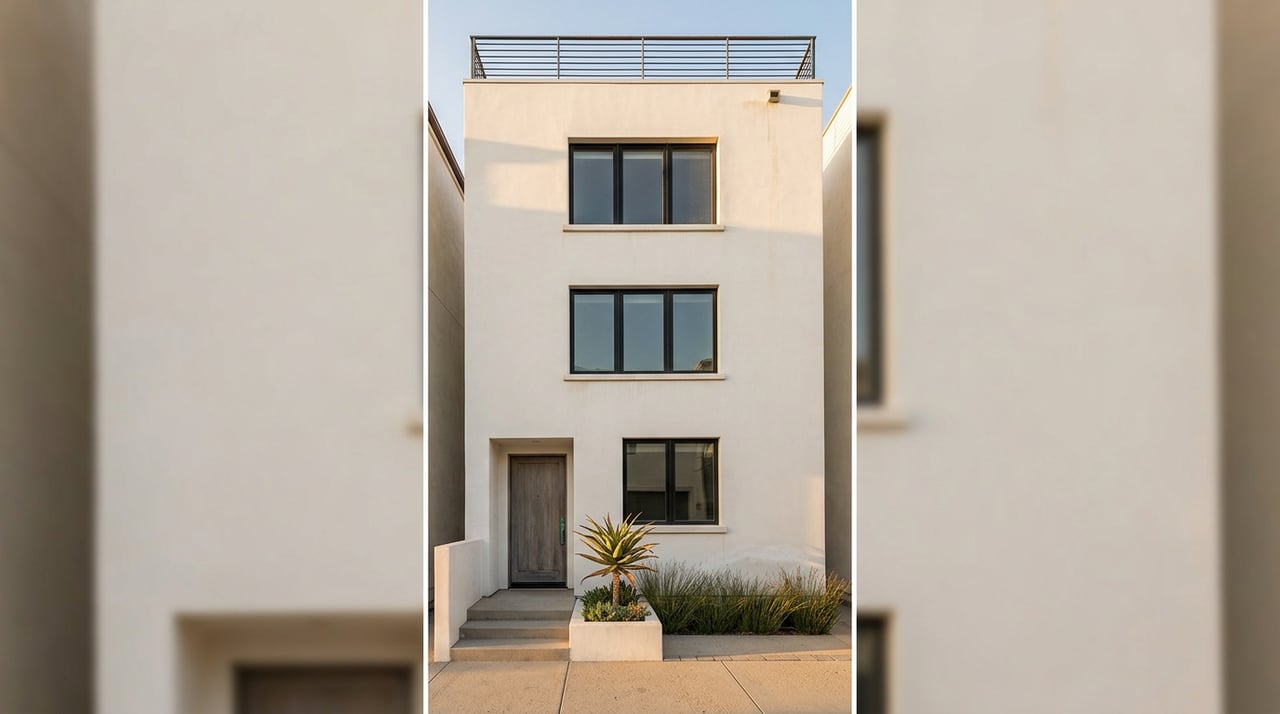
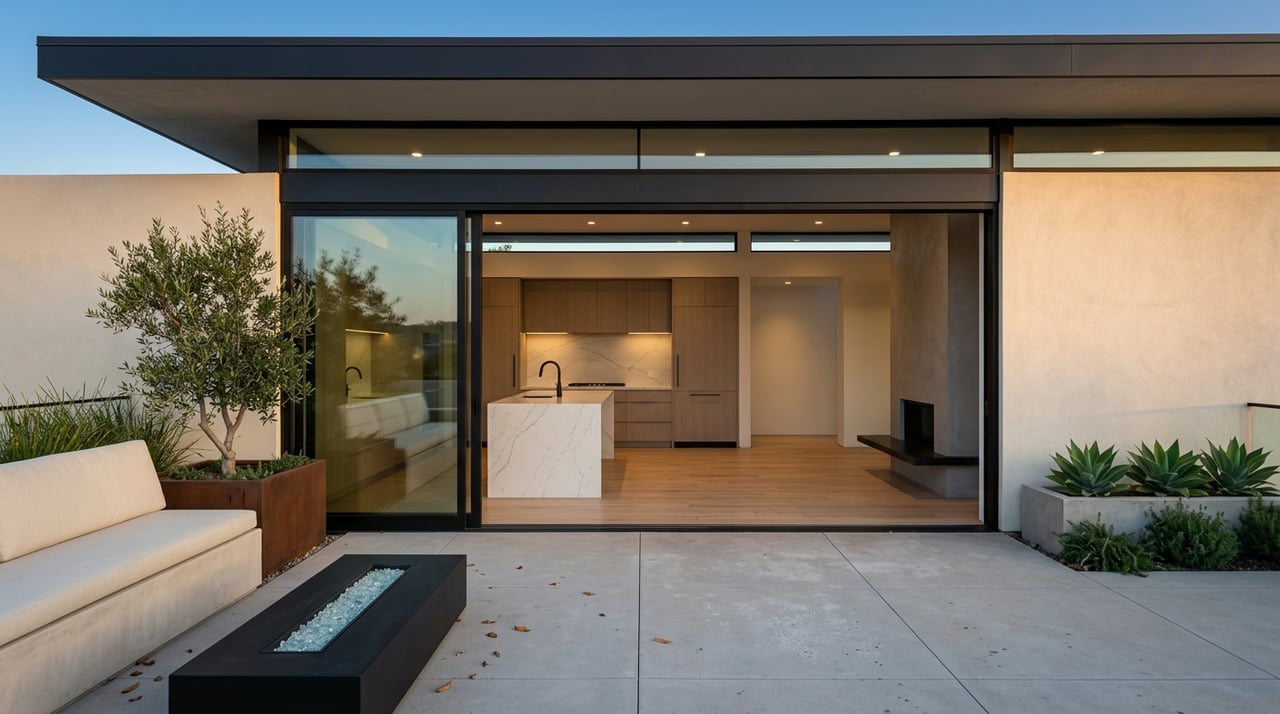
If you picture Hermosa as only detached beach houses, the reality is broader. City planning documents describe residential areas that include condominiums, townhouses, duplexes, triplexes, and apartment buildings. The community profile also points to architecturally diverse Strand homes, bungalows throughout town, and multi-level ocean-view residences.
That variety gives buyers more than one entry point into the market. Some homes offer compact lots and close beach access, while others trade yard space for parking, shared amenities, or a more vertical layout. The right fit usually comes down to how you balance lifestyle, location, and day-to-day function.
What buyers should think about
Living in Hermosa Beach often comes down to matching your home choice with your routine. If you want to walk to the beach, downtown, or local amenities, you may prioritize location and convenience over lot size. If parking, privacy, or layout matter more, that may shape which parts of the housing mix feel most practical.
It also helps to think honestly about activity level. Hermosa Beach offers beach access, a social downtown, and a strong sense of movement throughout the day. For many buyers, that is exactly the draw. For others, understanding weekend traffic, evening energy near Pier Plaza, and parking pressure helps set the right expectations.
Why Hermosa Beach stands out
What makes Hermosa Beach special is not just the ocean. It is the combination of beach access, a compact and social downtown, commuter connections, and housing that still reflects the city’s early coastal history. It feels like a small beach community, but one with real links to the rest of the South Bay and beyond.
That balance is what many buyers respond to. You get the visual appeal and outdoor lifestyle people expect from a coastal city, but you also get a place that functions as a real community. It is active, layered, and highly local in a way that can be hard to replicate.
If you are weighing a move to Hermosa Beach, the key is to look beyond the views and think about how you want your days to feel. The right home here is not only about price or style. It is about finding the right fit for your routine, your priorities, and the version of beach living that works for you. When you are ready to explore Hermosa Beach with a clear strategy and local insight, connect with Tim Meza Real Estate | Estate Properties.
FAQs
What is daily life like in Hermosa Beach?
- Daily life in Hermosa Beach often includes outdoor mornings, walkable errands near downtown, and more social energy in the evenings, especially near Pier Plaza and the beach.
Is Hermosa Beach a walkable place to live?
- Hermosa Beach is considered walkable and bike-friendly, especially around downtown, The Strand, and local amenities, though many residents still use a car for regional travel.
What outdoor activities are common in Hermosa Beach?
- Common outdoor activities in Hermosa Beach include walking, jogging, biking, surfing, swimming, fishing, skateboarding, beach volleyball, and beach tennis.
What types of homes are found in Hermosa Beach?
- Hermosa Beach includes beach cottages, Craftsman-influenced homes, condos, townhouses, duplexes, triplexes, apartment buildings, bungalows, and multi-level ocean-view residences.
Is parking easy in Hermosa Beach?
- Parking is part of everyday planning in Hermosa Beach, especially near the beach and downtown, where residents and visitors often rely on permits, meters, lots, and rideshare zones.
What should home buyers know about living in Hermosa Beach?
- Buyers should think about how they want to balance walkability, beach access, parking, layout, and activity level, since Hermosa Beach can shift from calm mornings to busy weekends and lively evenings.